
In-Depth Health Profile · May 2026
On May 5, 2026, Billy Bob Thornton settled into a chair across from comedian Howie Mandel on the podcast Howie Mandel Does Stuff and said something that stopped the conversation cold. Not a revelation about his celebrated acting career, not an anecdote from the set of the hit Paramount+ series Landman, and not a story about one of his five marriages — but something far more intimate, far more daily, and in its own quiet way, far more revealing than any of those things. He talked about food. Or rather, about the extraordinary, labyrinthine difficulty of eating. "My diet's very restricted," he said, almost as a matter of fact, the way a man states that it rains a lot in Seattle. What followed was a window into a lifetime of biological constraints, psychological battles, near-catastrophic health decisions, and hard-won adaptive wisdom that together tell a story most fans of the Oscar-winning actor have never fully heard. This is that story.
AB Negative: The Rarest Blood in Hollywood — and What It Does to a Dinner Plate

To understand why Billy Bob Thornton had a bowl of blueberries and a decaf coffee for breakfast before filming a major podcast appearance, you have to begin not in a kitchen but in a laboratory — specifically, in the language of blood antigens and digestive enzymes. Thornton carries type AB negative blood, a classification so statistically uncommon that the American Red Cross lists it as the least common blood type among Americans, present in fewer than 1% of the United States population and a similarly vanishing fraction of the world at large. It is, in the strictest clinical sense of the word, a biological rarity — and Thornton himself has acknowledged it as one of the foundational explanations for why his body simply will not cooperate with the foods that most people eat without a second thought.
In his candid conversation with Howie Mandel, Thornton explained the connection with characteristic plainness: "I have type AB negative blood, which is the rarest type in the world. It's like less than 1% of the population of the world has it. It means you have less digestive enzymes. That's one of the things that goes along with it." The relationship between blood type and digestion is a topic that has generated both legitimate scientific inquiry and considerable popular debate. The most prominent proponent of dietary blood-type correlation is Dr. Peter J. D'Adamo, whose book Eat Right 4 Your Type argues, among other things, that people with type AB blood tend to have lower stomach acid than those with other blood types, which makes the digestion of dense animal proteins — red meat in particular — significantly less efficient. While mainstream nutritional science has not reached a consensus on blood-type diets as a clinical prescription, many people with AB blood, Thornton emphatically included, report exactly the kind of digestive distress that D'Adamo's framework would predict.
The deeper, more human dimension of this biological fact is that Thornton spent the first several decades of his life entirely unaware that his digestive experience was unusual. He grew up in rural Arkansas and East Texas, in an environment where food was food and you ate what was put in front of you, and where the idea that your blood type might determine what your body could comfortably process would have seemed as remote as a medical textbook written in a foreign language. He ate everything. He ate the biscuits and the gravy and the fried meat and the cheese and the crackers. And every time, he felt terrible afterward. "I just assumed everybody felt like s--- after they ate," he told Mandel with a laugh that contained something more than amusement — a kind of retrospective wonder that so many years of discomfort had simply been accepted as the baseline condition of being alive. "I didn't know."
The moment of revelation came in the late 1980s, when Thornton first learned his blood type. It was a piece of information that arrived with the force of a key turning in a lock — not an immediate transformation of his diet, but a beginning of a slow, iterative process of elimination and discovery that would span the next thirty-plus years. Gradually, the foods that most reliably made him feel ill were identified and removed. Red meat went first, then pork, then shellfish, then dairy, then wheat. Each subtraction brought some degree of relief; each relief confirmed that the body had been sending distress signals all along that had simply gone unread.
What makes Thornton's case instructive for anyone navigating food sensitivities is the sheer length of time it took to arrive at clarity. Decades passed between the first unexplained stomach discomfort and the structured dietary framework he now lives within. This is not unusual. Digestive sensitivities, particularly those that manifest as diffuse discomfort rather than acute, dramatic reactions, are notoriously slow to diagnose — partly because the symptoms are easy to normalize, and partly because eliminating and reintroducing foods systematically requires a level of disciplined experimentation that most people, especially those without clinical guidance, find genuinely difficult to sustain. Thornton figured it out largely through lived experience, through paying attention to his body's responses over time, and through the gradual accumulation of evidence that certain foods were reliably doing him harm.
Today, that knowledge shapes every meal. It explains the bowl of blueberries. It explains the decaf coffee. It explains the gluten-free chips with dairy-free cream cheese that he described looking forward to upon returning home — a snack that might prompt a condescending smile from someone who has never had to think about what they eat, but that represents, for Thornton, the pleasure of eating something his body genuinely accepts. The rarity of his blood type is not, for him, a source of pride or a topic for dinner-party showmanship. It is the biological context within which all of his other dietary challenges must be understood — the foundation upon which a lifetime of food-related complexity has been built.
"My diet's very restricted. I have type AB negative blood, which is the rarest type in the world — less than 1% of the population has it. It means you have less digestive enzymes. I just grew up with a lot of allergies."— Billy Bob Thornton, Howie Mandel Does Stuff Podcast, May 2026
AB Negative Blood: Fast Facts
- Fewer than 1% of Americans carry AB negative blood — the rarest type in the U.S.
- AB negative individuals are universal plasma donors, making them critically important in emergency medicine
- Some research links AB blood types to lower stomach acid levels, potentially reducing efficiency in digesting animal proteins
- Dr. Peter D'Adamo's Blood Type Diet specifically recommends that AB types avoid red meat, limit dairy, and reduce certain grains — precisely what Thornton has done
- Thornton first learned his blood type in the late 1980s, setting off a decades-long process of dietary discovery and refinement
✦
The Allergy Triad: Wheat, Dairy, and Shellfish — How Three Intolerances Rewrote Every Meal
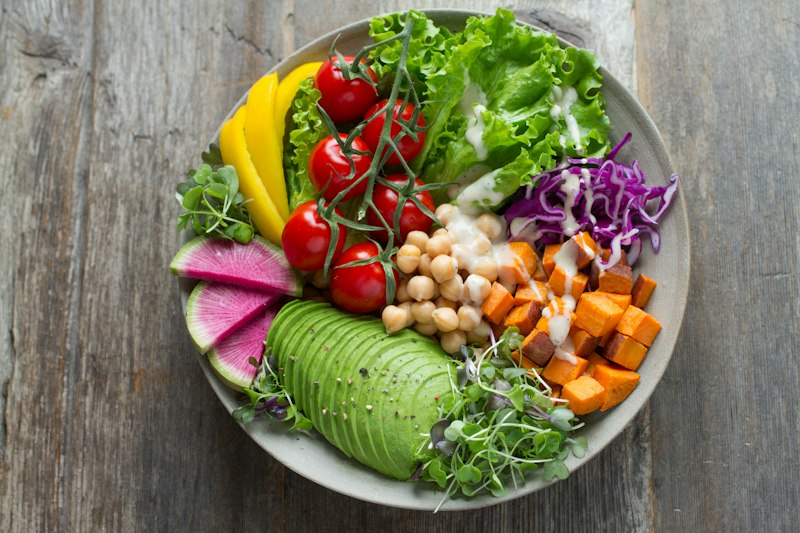
If the rare blood type provides the biological backdrop to Billy Bob Thornton's dietary story, then his three primary food allergies are the walls that define the room — firm, non-negotiable boundaries that determine what can be eaten, what must be refused, and what creative solutions must be improvised when the two collide in a green room, a restaurant, or a tour bus refrigerator. Thornton is allergic to wheat (and by extension, gluten), to dairy in all its forms, and to shellfish. He also avoids red meat and pork, a choice that sits at the intersection of his blood-type guidance and his broadly plant-based philosophy. Together, these restrictions effectively eliminate the overwhelming majority of what the standard Western diet considers normal eating — and they do so not as a lifestyle choice or a wellness trend, but as a daily biological necessity.
The wheat and gluten allergy is, in practical terms, the most pervasive of the three. Gluten — the protein complex found in wheat, barley, and rye — is present in an astonishing range of foods, many of which would not immediately announce themselves as wheat-containing: soy sauce, many condiments, processed soups, certain spice blends, the coatings on fried foods, and of course the entire landscape of bread, pasta, crackers, cakes, cookies, and pastries. For someone managing a genuine wheat allergy rather than a mere preference for gluten-free eating, every packaged product requires label scrutiny, every restaurant meal requires a conversation with the kitchen, and every social food event requires a kind of advance intelligence-gathering that most people never have to think about. Thornton has been navigating this terrain for decades, and the fluency with which he does so — knowing instantly, upon entering a green room, that the crackers are off-limits and the grapes are not — reflects a lifetime of hard-won practical expertise.
The dairy allergy is equally consequential in a food culture that uses butter, cream, cheese, and milk as foundational building blocks of flavor across almost every culinary tradition. Thornton's solution has been consistent and practical: dairy-free alternatives replace dairy wherever possible. His typical breakfast bar, as observed by a GQ journalist who spent time with him, is a Bobo's Oat Bar spread with Earth Balance, a plant-based butter substitute made from vegetable oils. His comfort-food snack of choice — the thing he looks forward to returning home to — is gluten-free chips with dairy-free cream cheese, a combination that would strike most people as a pale echo of real indulgence but that Thornton describes with genuine anticipatory pleasure. This capacity to find real satisfaction in modified versions of comfort food is not trivial. It represents a psychological adaptation that takes years to develop and that many people with severe food restrictions struggle to achieve.
The shellfish allergy, while sharing the biological mechanism of the others — an immune system response to specific proteins — is, in Thornton's day-to-day life, somewhat less omnipresent than the wheat and dairy restrictions simply because his diet is already largely plant-based. He is not typically in situations where shellfish would be his default protein. But its presence on the list matters, because it closes off what might otherwise be a convenient fallback: when red meat and pork are off the table, when dairy is excluded, when wheat is forbidden, shellfish might seem like a logical refuge for someone seeking animal protein at a catered event or a restaurant. For Thornton, that door is also locked.
The combination of these three allergies with the blood-type-informed avoidance of red meat and pork produces a dietary profile that is, in terms of publicly catered food, almost systematically incompatible with standard event spreads and restaurant menus. Thornton described this collision with vivid specificity in his Mandel podcast conversation: at a green-room event for Landman — hosted alongside his co-star Sam Elliott — the food table offered salami, prosciutto, various crackers and starchy items, and an assortment of cheeses. "I'm like, 'Well, s---. I can't have any of this,'" he recalled. The only thing within reach that met his requirements was a small cluster of grapes. What happened next has since become the most-shared anecdote from the interview: Thornton dipped a grape in the Dijon mustard that had been provided as a condiment for the meats he couldn't eat. "It was one of the best things I ever had in my lifetime," he said. "So now it's become a thing for me." Grapes and Dijon mustard. Not a recipe, exactly. A solution. A small act of culinary creativity born entirely from the pressure of restriction.
This anecdote is charming, and it was widely reported as such — but it also points to something more significant about the experience of living with multiple simultaneous food allergies. The creative improvisation it represents is not exceptional for Thornton; it is his default mode. Every meal outside his own kitchen requires this kind of real-time problem-solving: scan the available options, identify what is safe, find a way to make it interesting enough to constitute an actual meal rather than a joyless obligation. Over a lifetime, this adaptive creativity becomes second nature — but it is worth recognizing that it is a form of labor, a constant low-level cognitive effort that people without dietary restrictions never have to expend.
"I can't have dairy, wheat… can't eat meat, like pork or beef or any of that stuff. I dipped a grape in the Dijon mustard — it was one of the best things I ever had in my lifetime. So now it's become a thing for me."— Billy Bob Thornton, Howie Mandel Does Stuff Podcast, May 2026
What Thornton Eats — and What He Doesn't
- ✓ Fresh blueberries and other whole fruits — his standard morning meal
- ✓ Gluten-free chips with dairy-free cream cheese — his go-to comfort snack
- ✓ Bobo's Oat Bar spread with Earth Balance plant-based butter
- ✓ Decaffeinated coffee — his morning beverage of choice
- ✓ Grapes — and, since the Landman green room revelation, grapes dipped in Dijon mustard
- ✗ Wheat and gluten in any form: bread, pasta, crackers, pastries, most processed foods
- ✗ All dairy: milk, cheese, butter, cream, and their derivatives
- ✗ Shellfish: all crustaceans and mollusks
- ✗ Red meat: beef, lamb, and all pork products
- ✗ Heavy animal proteins generally — with rare, self-described "cheating" exceptions
✦
When the Role Consumes the Man: Body Transformation, Extreme Dieting, and the Edge of Anorexia

There is a darker chapter in the story of Billy Bob Thornton and food — one that sits at an uncomfortable angle to the charming anecdotes about grape-and-mustard combinations and gluten-free chip evenings. In the late 1990s, at the height of his Hollywood ascendancy following the Oscar-winning success of Sling Blade, Thornton developed what he would later openly identify as clinical anorexia — an eating disorder that emerged directly from his commitment to radical physical transformation in service of his roles, and that brought him to a weight his body was genuinely not equipped to sustain.
The sequence of events began with a pattern that was, in the culture of prestige Hollywood filmmaking at the time, not only accepted but actively celebrated: the dramatic physical transformation for a role. Actors gained and lost extreme amounts of weight as proof of their dedication, their craft, their willingness to put themselves entirely at the service of character. Thornton participated in this culture with particular intensity. He gained significant weight for roles in films including Tombstone and U Turn in the late 1990s — the latter a dark Oliver Stone thriller for which he bulked up to approximately 197 pounds. Then, for Pushing Tin (1999), the Mike Newell film about competitive air traffic controllers, he needed to look depleted, gaunt, hollowed out by stress. He needed to lose weight, and he needed to lose it fast.
The method he chose was extreme by any clinical measure: a single can of tuna and a package of Twizzlers per day. That was it. No other food. Sustained over weeks and months, this near-starvation regime stripped 59 pounds from his frame — a precipitous drop from 197 to approximately 138 pounds. The physical result was exactly what he had aimed for aesthetically, but the psychological cost was something he had not anticipated and initially refused to acknowledge. "I got anorexic," he admitted years later to the Los Angeles Daily News in 1998. "Of course, I denied it to my girlfriend — Laura Dern — and everyone else who said I had an eating disorder." The denial is significant. It is not merely a matter of stubbornness; it reflects one of the defining clinical features of anorexia nervosa — a distorted perception of one's own body and a resistance to recognizing the disorder from within it.
The concern of those around him was well-founded. Photographs from the period show a man dramatically diminished from his natural build, and reports from the time describe a physical appearance that alarmed friends, colleagues, and observers. The situation reached a critical point in 2000, when Thornton was rushed to Cedars-Sinai Medical Center in Los Angeles. His agent described the admission as resulting from a viral infection. But the speculation that surrounded the hospitalization — and the context of his extreme dietary behavior in the preceding years — pointed to a more complex picture of a body that had been pushed too hard for too long and was now paying the bill in full.
What makes this episode particularly revealing, in the context of Thornton's full dietary history, is the way it illuminates the psychological mechanisms that can transform a professional commitment into a clinical crisis. Thornton was not simply an actor making a calculated decision to lose weight for a role. He was a man with a documented history of obsessive-compulsive disorder, a deep need for control in a life that had known significant chaos, and a perfectionist drive that made moderation structurally difficult. When that psychology encountered the social permission — indeed, the cultural celebration — that Hollywood extended to actors who physically transformed themselves, the conditions were set for something that went beyond professional dedication into genuine danger.
He also described, in later interviews, the pattern of weight cycling that characterized this period of his career: gaining significantly for one film, then losing dramatically for the next, then gaining again, in a cycle that his body bore the cumulative cost of over years. "It's funny — if I ever see a picture of those days," he told Seth Meyers in January 2025, "because this is back when you're a younger actor and you're like, 'Well, I'm going to gain 75 pounds for this, and the next time I'm going to do this.'" He said it with a laugh, but also with the clear retrospective understanding of someone who now knows how much that approach cost him. "It does not feel good," he said, with the unadorned simplicity of a man who no longer needs to perform enthusiasm for something he has definitively left behind. He will not do it again.
This resolution — firm, quiet, and apparently final — represents one of the most significant dietary decisions of Thornton's later life. After decades of treating his body as a professional instrument to be shaped and reshaped at will, he has arrived at the understanding that the instrument has limits, that those limits deserve respect, and that no role is worth the kind of damage that extreme dietary manipulation can inflict. It is a conclusion that many people in many professions eventually reach about their own bodies — but reaching it, for Thornton, required a journey through genuine clinical crisis.
"I think I had a little mental problem. I got anorexic. Of course, I denied it to my girlfriend and everyone else who said I had an eating disorder. I won't do it anymore — because it does not feel good."— Billy Bob Thornton, various interviews (1998–2025)
The Timeline of Physical Transformation
- Late 1990s: Significant weight gain for roles in Tombstone and U Turn (reached approx. 197 lbs)
- 1998–1999: Rapid 59-lb weight loss for Pushing Tin via extreme caloric restriction
- Diet during weight loss period: one can of tuna + one package of Twizzlers per day
- 2000: Hospitalization at Cedars-Sinai; public concern about his health at its peak
- Post-2000: Gradual shift to plant-based eating and recovery from the weight-cycling pattern
- January 2025: Told Seth Meyers he would never again pursue extreme body transformation for a role
✦
OCD, Phobias, and the Psychology Behind His Relationship With Food
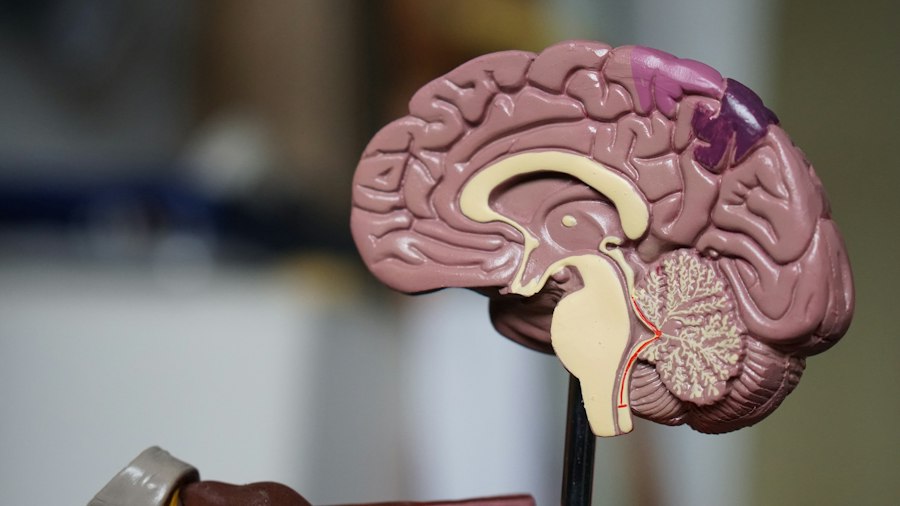


No account of Billy Bob Thornton's relationship with food can be considered complete without reckoning seriously with obsessive-compulsive disorder — the condition he was diagnosed with and has spoken about publicly since 2004, and which he has traced directly to the turbulence of his childhood. OCD is a clinical condition defined by the presence of intrusive, unwanted thoughts (obsessions) and repetitive behaviors performed in response to those thoughts (compulsions). It is exhausting, pervasive, and — crucially, for our purposes — it does not confine itself neatly to one area of a person's life. It spreads. It colonizes. And one of the territories it most reliably colonizes, according to a substantial body of clinical research, is a person's relationship with food.
Thornton himself has described the character of his OCD with memorable precision. In a 2004 interview with NBC News, he explained: "It exhausts you. You're constantly doing mathematics in your head. Certain numbers represent certain people. And I can't use that number in a certain circumstance." He traced its origins to childhood: "It comes from being nervous all the time. You start to develop these little tricks in your head — like, if I just break this toothpick into three even pieces, my father will come home in a good mood and he won't beat me." That final detail is harrowing, and it matters enormously in the context of understanding his dietary psychology: the compulsive behaviors originated as a child's desperate attempt to impose control over an environment of unpredictable violence. The logic of OCD — if I do this thing precisely, bad outcomes will be prevented — developed as a survival mechanism. And survival mechanisms, once established, rarely stay confined to the situations that created them.
The connections between OCD and disordered eating are well-documented in the clinical literature. Research published in the National Library of Medicine identifies a statistically significant correlation between the two disorders, and the underlying psychological logic is clear: both OCD and eating disorders involve the use of ritualized behavior as a mechanism for managing anxiety, both involve a distorted relationship with control, and both can become self-reinforcing cycles in which the behavior (the compulsion, the restriction) temporarily relieves the anxiety it was designed to address, but ultimately deepens the disorder by confirming its logic. For Thornton, the anxiety generated by an abusive childhood and the need for control it produced found expression in, among other things, a hyperfocused relationship with what went into and came out of his body.
The food-adjacent phobias that Thornton has disclosed over the years provide further insight into this psychology. Perhaps the most famous is the story of the roast chicken — an anecdote reported in GQ that has circulated widely as evidence of his eccentricity, but that deserves more careful reading. When served a roast chicken presented upright as though it were standing, Thornton refused to eat it. "That's a little guy," he said. "I'm not eating a little guy." This might be read as mere whimsy, but the emotional reality behind it — an inability to dissociate the food from the living creature it once was, an empathic identification that triggers a visceral refusal — is a genuine and well-documented psychological phenomenon. It is not irrational; it is, in fact, a kind of heightened moral sensitivity that many people feel at some level but that OCD can amplify to the point of behavioral consequence.
Equally telling are his phobias regarding antique furniture, pre-1950s objects, and silverware — things that have no direct connection to food but that can transform the experience of eating entirely. Thornton has described being genuinely distressed by antique dining settings, by the kind of heavy, ornate silverware that appears at formal dinners, and by the atmospheric weight of old objects in general. The implication is that the same dinner that would be unremarkable to most guests could become genuinely uncomfortable for him if served on the wrong crockery with the wrong cutlery in a room furnished in the wrong decade. This is not affectation. This is the lived reality of OCD: the disorder does not excuse certain environments from its reach, and the dinner table is no exception.
The clinical relationship between all of these factors — the OCD, the phobias, the period of anorexia, the extreme body-modification practices — is one of mutual reinforcement. Each disorder provided cover for the others; each shared the same underlying psychological architecture of control, ritual, and anxiety management. What is genuinely remarkable about Thornton's story, seen in full, is that he has been able to speak about all of it — in public, over decades, with increasing candor and decreasing shame. In 2004, when he disclosed his OCD diagnosis to a national television audience, that kind of openness from a major Hollywood star was genuinely unusual. He has continued to build on it, and in doing so has contributed something real to the public conversation about mental health and its intersections with physical experience.
"It exhausts you. You're constantly doing mathematics in your head. Certain numbers represent certain people. I developed these little tricks as a child — 'If I break this toothpick into three even pieces, my father will come home in a good mood.' That's where it starts."— Billy Bob Thornton, NBC News, 2004
OCD, Phobias, and Their Dietary Intersections
- Thornton was diagnosed with OCD, which he traces to a childhood marked by paternal abuse and chronic anxiety
- His OCD centers on number obsessions and protective compulsive rituals; he also has anxiety disorder and grew up with dyslexia
- Food-related phobia: refused to eat a roast chicken served upright — "That's a little guy. I'm not eating a little guy."
- Environmental phobias affecting dining: discomfort with pre-1950s antiques, silver cutlery, and ornate tableware
- Clinical research consistently identifies elevated co-occurrence rates between OCD and eating disorders
- He has also cited these struggles as reason to maintain the simple, predictable food environment that his current dietary restrictions provide
✦
Life at Seventy: How Billy Bob Thornton Has Made Peace With His Plate

Billy Bob Thornton is seventy years old. He has survived an abusive childhood, the grinding poverty of his early years in Los Angeles, an OCD diagnosis, an eating disorder, a dangerous pattern of extreme physical self-modification, five marriages, and a series of career reinventions that would have derailed a less resilient personality. And he is, by all available evidence, in a better place with food than he has ever been. Not a perfect place — he is not evangelical about it, not a wellness influencer with a product line, not a man who claims to have solved anything definitively. But a real place. A livable place. A place where a bowl of blueberries in the morning represents not deprivation but clarity, and where gluten-free chips with dairy-free cream cheese is not a consolation prize but an actual pleasure.
The self-description he has used most consistently in recent years is "a vegan who cheats — but not that bad." It is a characterization that reveals something important about his current psychological relationship with food: the absence of rigidity. After decades of extremity — the extreme restriction of his allergy-driven elimination, the extreme indulgence and then extreme starvation of his body-transformation years, the extreme compulsive control of his OCD-inflected approach to eating — he has arrived at something more flexible, more honest, and more sustainable. The rules are real: he genuinely cannot eat wheat, dairy, or shellfish without suffering. He genuinely feels better without red meat. These are not preferences he has the option of overriding on a whim. But within those constraints, there is room for the occasional exception, the specific indulgence that represents genuine cultural or emotional meaning rather than a breakdown of discipline.
The specific exception he cites most often is Texas barbecue. This is not an arbitrary example. Thornton grew up in Arkansas and East Texas; he spent his formative years in a culinary tradition where barbecue is not merely food but identity, community, memory, and belonging. For a man who has spent much of his adult life in Los Angeles and whose body has required him to systematically distance himself from the flavors of home, Texas barbecue represents something that no allergen-free substitute can replicate. "A vegan who cheats," he says, and you can hear in that formulation a man who has decided that absolute purity is a less worthy goal than honest, sustainable, joyful engagement with the full complexity of his life — including the parts of it that smell like wood smoke and come served on butcher paper.
The practical infrastructure of his dietary life has become, over the years, quietly sophisticated. When he tours with his band, the Boxmasters — a country-rock outfit that reflects his deep musical roots as much as his acting career — he maintains a dedicated section of the tour refrigerator stocked exclusively with the foods he can safely eat. This is not excessive or precious; it is simply the logistics of ensuring that he can eat adequately while traveling, without either imposing his requirements on others or finding himself stranded at midnight in a strange city with no safe food options. It is the kind of system that people with serious dietary restrictions develop out of necessity, and that, once established, becomes as unremarkable a part of daily life as packing a phone charger.
In the green rooms and catered events that come with a successful television career — and Landman, his Paramount+ series alongside Demi Moore, Ali Larter, and Sam Elliott, has brought him back into that circuit at a significant level — his approach is similarly pragmatic. He scans the available food quickly, identifies what is safe, and makes the most of it. The grape-and-Dijon-mustard combination that emerged from one such event has become, in his telling, a genuine new addition to his regular repertoire — not a sad substitute for something better, but an actual discovery that he now actively looks forward to. This is the hallmark of genuine dietary adaptation: not the gritting of teeth in the face of deprivation, but the authentic expansion of one's palate and pleasure within the space that constraints define.
It is worth noting, in conclusion, what Thornton's dietary story is not. It is not a cautionary tale about the dangers of Hollywood excess — though it contains elements that support such a reading. It is not a wellness journey with a triumphant resolution — though it has moved, over time, toward something more balanced and more healthy than where it began. It is not a manual for eating with food allergies — though there is practical wisdom embedded in his experience that anyone navigating similar restrictions might find useful. What it is, most fundamentally, is a human story about the extraordinary complexity of the relationship between a person and what they eat — the way that relationship is shaped by biology, by psychology, by history, by culture, by work, and by time. Billy Bob Thornton did not choose his blood type. He did not choose his allergies. He did not choose the childhood that gave him OCD. He did not fully understand, at the time, where his methods of physical self-transformation were leading him. But he is here, at seventy, with a bowl of blueberries and a hard-won knowledge of what his body needs — and that, in the full accounting of things, is a form of wisdom that deserves more than a passing mention in the margins of a longer celebrity story.
"I call myself a vegan who cheats — but I don't cheat that bad. When I get home, it's wide open. I'm going to have some gluten-free chips with some dairy-free cream cheese. So I'm really looking forward to that."— Billy Bob Thornton, Howie Mandel Does Stuff Podcast, May 2026
Key Lessons From Thornton's Dietary Journey
- Undiagnosed food intolerances can cause decades of normalized discomfort — getting tested matters
- Extreme physical transformation for professional purposes can tip quickly into clinical eating disorder territory without warning
- OCD and disordered eating share deep psychological roots and frequently co-occur — treating one requires awareness of the other
- Genuine dietary adaptation means finding real pleasure within constraints, not performing contentment with deprivation
- A flexible, honest relationship with food — "a vegan who cheats" — is often more sustainable than rigid perfectionism
- Public candor about mental and physical health challenges, as Thornton has demonstrated consistently, reduces stigma and creates permission for others to seek help


.png)


0 Comments