
Your daily briefing on the stories that matter
Trump Meets Xi in Beijing: Inside the Summit That Could Reshape the Global Order
For the first time since 2017, a sitting American president has landed in China. What happens over the next 48 hours in Beijing may determine the trajectory of U.S.–China relations — and the stability of the entire world — for years to come.
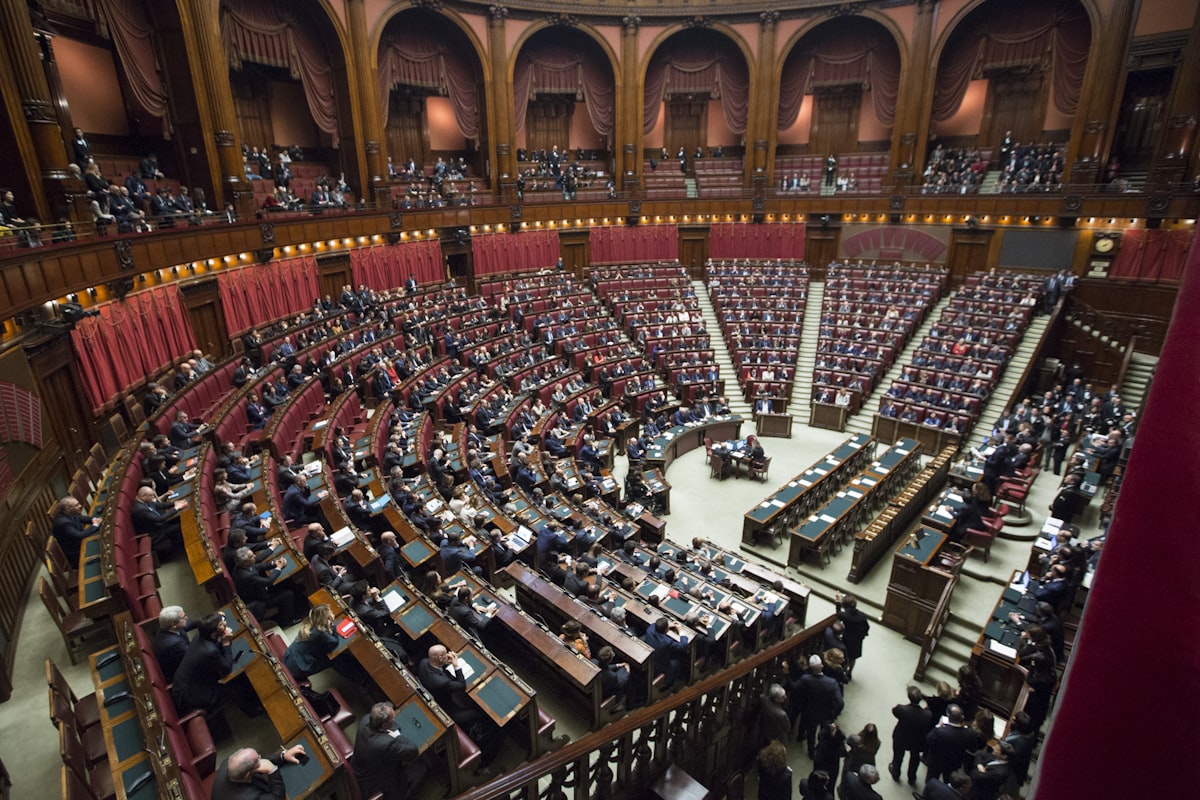
President Donald Trump has touched down in Beijing for a landmark state visit that few analysts, even months ago, would have predicted could happen so soon — or under such fraught circumstances. The summit, which runs from Wednesday through Friday, marks the first visit by an American head of state to China in nearly nine years, and comes at a moment when the bilateral relationship is tangled in a web of economic rivalry, military tension, and the cascading consequences of the ongoing war involving Iran. The stakes, by virtually every measure, are extraordinary.
The visit is the product of months of painstaking diplomatic preparation, beginning with a bilateral meeting at the APEC summit in Busan, South Korea, on October 30, 2025, where Trump and Chinese President Xi Jinping agreed to begin work toward a fuller summit in Beijing. Since that meeting — which Trump enthusiastically rated "12 out of 10" — the relationship between the world's two most powerful nations has navigated a minefield of disruptions: the eruption of the Iran war, months of trade war turbulence that ended in a fragile truce, and ongoing disputes over technology, semiconductors, and Taiwan. Yet through it all, both leaders have maintained a personal rapport that their respective diplomatic corps have leveraged to keep the door open.
The symbolism alone is staggering. Trump's arrival was greeted with the full ceremonial apparatus of Chinese state hospitality. The White House has confirmed that the president will visit the Temple of Heaven and attend a formal state banquet. Accompanying Trump are First Lady Melania Trump, as well as Trump's son Eric and his wife Lara — the latter two traveling in a personal, not official, capacity, a detail that has drawn scrutiny given their central role in managing the Trump Organization's business interests.
The Road to Beijing: How This Summit Came to Be
The path to this summit was anything but smooth. Originally scheduled for the first week of April, the meeting was pushed back by more than six weeks after the Iran war escalated dramatically, redirecting the attention of both the American national security apparatus and, critically, Beijing's calculations about leverage and timing. The delay proved consequential: China used the intervening weeks to extract a significant early concession from the Trump administration, with Defense Secretary Pete Hegseth announcing on April 16 that Beijing had provided "high-level assurances" to the White House that it would not transfer weapons — most specifically, surface-to-air missiles — to Iran. Hegseth publicly credited the "strong and direct relationship" between Trump and Xi for the breakthrough, framing it as a proof of concept for what personal diplomacy between the two leaders could achieve.
Months of preparatory work preceded Trump's departure. Secretary of State Marco Rubio met with Chinese Foreign Minister and Director of the Office of the Central Foreign Affairs Commission Wang Yi in February, laying the groundwork for the agenda. U.S. Trade Representative Jamieson Greer signaled in the run-up to the summit that the administration's economic posture was oriented toward "stability" — a marked shift from the aggressive tariff gambits of 2025, which ultimately ran aground in February when the Supreme Court struck down Trump's sweeping global "reciprocal" tariffs as unconstitutional. That legal setback, paradoxically, may have opened political space for a more transactional and constructive engagement with Beijing.
"Trump and Xi want to reconfirm their relationship and have that kind of stability. All the other stuff is gravy."
— Kyle Chan, Brookings Institution, on the core logic of the summitAnalysts from the Council on Foreign Relations, the Center for Strategic and International Studies, and the Asia Society Policy Institute broadly characterize the summit not as a moment of breakthrough but as an exercise in managed competition — an effort to establish guardrails, reduce miscalculation risk, and create institutional channels for ongoing dialogue. The Council on Foreign Relations described the meeting as primarily "an effort to stabilize U.S.–China relations rather than resolve long-standing disputes." What makes the summit unusual, however, is the scale of the issues on the table simultaneously — trade, Taiwan, Iran, artificial intelligence, rare earths, and the future architecture of global governance.
The Economic Agenda: From Trade War Truce to New Architecture
If there is one dimension of the summit where concrete deliverables are most expected, it is the economic relationship. Washington and Beijing spent much of 2025 locked in an acrimonious trade war defined by Trump's escalating tariff regime and China's retaliatory countermeasures. Tensions began to cool after U.S. and Chinese trade negotiators held a series of meetings in the fall, culminating in a broad truce. Now, the Trump administration hopes to use the Beijing summit to convert that truce into something more durable — and more profitable.
The White House has confirmed that the two sides are discussing the creation of a bilateral Board of Trade and a parallel Board of Investment — formal institutional mechanisms intended to provide a "government-to-government forum" for managing economic disputes and investment-related issues. White House spokeswoman Anna Kelly described Trump's chief economic goal as continuing "to rebalance the relationship with China and prioritizing reciprocity and fairness to restore American economic independence," while also promising that "the American people can expect the president to deliver more good deals on behalf of our country."
Among the most anticipated potential announcements is a Chinese commitment to purchase significant quantities of American agricultural products — particularly soybeans — that Beijing had boycotted during the height of the trade war, inflicting considerable pain on U.S. farming communities. Analysts also expect the two sides to announce deals spanning aerospace, energy, and semiconductor-adjacent industries. On rare earths — the critical minerals that China dominates and which are essential to American semiconductor manufacturing and defense technology — expectations are more cautious. Beijing is unlikely to make major concessions unless Washington offers meaningful political gestures in return, according to Feng Chucheng of Plenum, a Beijing-based political research firm. China's 2025 rare earth export restrictions had already exposed what CSIS called "a critical U.S. national security vulnerability," triggering billions in emergency financing and global partnership-building by Washington that has yet to fully close the gap.
Taiwan, Iran, and the Geopolitical Undercurrents
Beyond economics, the summit is shadowed by two major geopolitical flashpoints that could define whether the meeting produces lasting stability or merely the appearance of it. The first is Taiwan. The United States officially recognizes the People's Republic of China while maintaining a legal commitment under the Taiwan Relations Act to support the island's self-defense. Washington has approved tens of billions of dollars in military sales to Taiwan over the years, including an $11 billion package last year and a newer $14 billion congressional authorization awaiting Trump's final signature. In a development that set off alarm bells in Taipei, Trump stated publicly this week that arms sales to Taiwan would be on the summit's agenda — a significant departure from the long-standing "Six Assurances" policy of not consulting with Beijing on such matters.
Taiwanese officials and analysts are watching every public word with intense anxiety. The precise wording of any post-summit statement on Taiwan could have enormous consequences. William Yang of the Crisis Group warned that Xi would use the meetings to "influence and potentially convince Trump to agree to scale back, if not completely suspend, sales to Taiwan." For Taiwanese President William Lai Ching-te — already embroiled in a bruising domestic political fight over defense spending — any weakening of the U.S. commitment would represent a serious blow at the worst possible moment.
The Iran war, meanwhile, casts a long shadow over every dimension of the talks. China finds itself in a uniquely uncomfortable position: it is the world's largest buyer of Iranian crude oil by a vast margin, purchasing well over 80 percent of Iran's shipped exports, yet the closure of the Strait of Hormuz — through which roughly one-fifth of the world's oil and natural gas supply normally passes — has severely disrupted its own energy security. About half of China's crude oil imports originate in the Middle East, leaving its economy acutely exposed to the ripple effects of a war it has publicly condemned but cannot fully insulate itself from. Washington, for its part, has pressed Beijing to leverage its unique influence over Tehran to bring Iran back to negotiations and support efforts to reopen and secure the strait. Dan Grazier of the Stimson Center said he had "no doubt" Trump would seek to enlist Xi in applying pressure on Iran — but the limits of Chinese leverage, and Chinese willingness to exercise it, remain deeply uncertain.
🌾 Trade & Agriculture
China may agree to purchase U.S. soybeans, Boeing aircraft, and energy products. A bilateral Board of Trade and Board of Investment are under active discussion to formalize economic relations.
🪨 Rare Earths & Semiconductors
China's 2025 export restrictions exposed a U.S. national security gap. Washington hopes to reach agreements easing restrictions, but Beijing is unlikely to yield without major political concessions.
🏝️ Taiwan
Xi is expected to press for reduced U.S. arms sales. Trump's decision to discuss Taiwan arms on the agenda breaks with Reagan-era policy and has alarmed Taipei.
🛢️ Iran & Energy Security
China buys over 80% of Iranian oil. Washington wants Beijing to pressure Tehran toward negotiations. The Hormuz closure has hammered both economies, creating unusual common ground.
The G2 Question: A New World Order in the Making?
The summit has reignited a decades-old debate about whether the United States and China could, or should, form an informal "Group of Two" — a G2 — that would effectively function as the steering committee for global governance. The concept was first formally proposed by economist C. Fred Bergsten in 2005, and gained traction during the Obama administration's Strategic and Economic Dialogue with China. It was revived after the Busan summit, when Trump himself used the term "G2" to describe his meeting with Xi, framing it as a recognition of China's status as a co-equal superpower that Washington must engage as a partner as much as a rival.
The idea is simultaneously tantalizing and fraught. Its appeal lies in its pragmatism: if the two largest economies in the world can agree on basic frameworks for trade, technology governance, and crisis management, the benefits for global stability could be enormous. Its danger lies in what it excludes. A G2 arrangement that sidelines America's traditional allies in Europe and Asia — already strained by Trump's repeated threats to quit NATO over its refusal to back the Iran war — risks accelerating the very fragmentation of the international order that both Washington and Beijing claim to want to avoid.
As the summit unfolds, every analyst and diplomat around the world will be parsing not just what is announced, but what is not said, what language is used or avoided, and what signals are sent about the future of a relationship that has come to define the shape of the twenty-first century. Follow-through will matter more than any single declaration. The next test of what this summit produces may come as early as November, when Trump could attend APEC in Shenzhen — a reciprocal gesture that would signal the durability of the emerging détente.
Doctors Embrace the Machine: How AI Software Is Transforming the Way Medicine Is Practiced
From diagnosing cancer on a scan to writing a discharge note in seconds, artificial intelligence has stopped being a distant promise and become a daily fixture of medical practice. A new wave of data reveals just how fast — and how fundamentally — medicine is changing.

Something remarkable has happened in the corridors of hospitals and the examining rooms of family practices across the United States: the science fiction of a decade ago has become the clinical routine of today. Artificial intelligence, long discussed in medicine as a technology of tomorrow, has arrived in the present tense. In 2026, more than four in five physicians — 81 percent — report using AI professionally, according to the latest annual Physician Survey on Augmented Intelligence conducted by the American Medical Association. That figure represents more than double the 38 percent who reported doing so in 2023, a rate of adoption that has few precedents in the history of medical technology.
The implications of that number extend far beyond the statistics themselves. Medicine is among the most conservative of professions, one in which adoption of new practices tends to be slow, evidence-driven, and highly resistant to hype. The speed with which AI has penetrated clinical practice therefore signals something more than a trend: it reflects a genuine shift in how physicians understand their own work, their relationship to information, and the practical boundaries of what is possible in a single clinical encounter. What is driving this revolution, what forms it is taking, what it is achieving — and what risks it carries — is now one of the central questions of modern healthcare.
"AI has quickly become part of everyday medical practice. Physicians see real promise in its ability to support clinical decisions and cut down on administrative burden."
— John Whyte, MD, MPH, CEO of the American Medical AssociationThe Anatomy of Adoption: What Doctors Are Actually Using AI For
The AMA survey, which drew on responses from nearly 1,700 physicians across a diverse range of specialties, practice settings, and career stages, offers the most granular picture yet of how AI is being deployed at the point of care. The single most common use case — cited by 39 percent of physicians — is the summarization of medical research and standards of care. This application, which has seen a remarkable 33 percentage-point increase since 2023, reflects a fundamental shift in how clinicians manage the impossible firehose of new research and clinical guidelines. A physician who once spent hours each week attempting to stay current with evolving evidence in their specialty can now access AI-synthesized summaries that distill dozens of papers into actionable clinical guidance in minutes.
Close behind are documentation-related applications. Thirty percent of physicians report using AI to generate discharge instructions, care plans, and progress notes; 28 percent use it for billing documentation, medical charts, and visit notes; and another 28 percent employ it for chart summaries. Taken together, these figures point to one of the most consequential impacts AI may have on medicine: the reduction of the crushing administrative burden that has driven physician burnout to epidemic levels and contributed to early retirement among experienced clinicians. For a profession that spends, by some estimates, nearly two hours on administrative tasks for every hour of direct patient care, AI-powered documentation tools represent a potentially transformative rebalancing of how clinical time is spent.
The Doximity 2026 State of AI in Medicine Report, which surveyed physicians through the nation's largest digital platform for medical professionals, reinforces and extends these findings. Doximity found that 94 percent of physicians surveyed are either currently using AI or are actively interested in doing so — a figure that suggests the remaining pockets of resistance are thinning rapidly. Physicians across the Doximity survey reported meaningful gains in efficiency and job satisfaction, and many described tangible improvements in patient care attributable to AI-assisted decision support. The report also found that many clinicians see AI as a tool for reducing the after-hours administrative work that bleeds into evenings and weekends, eroding the personal lives of physicians across every specialty and practice setting.
AI in Diagnostics: Reading the Body With Machine Precision
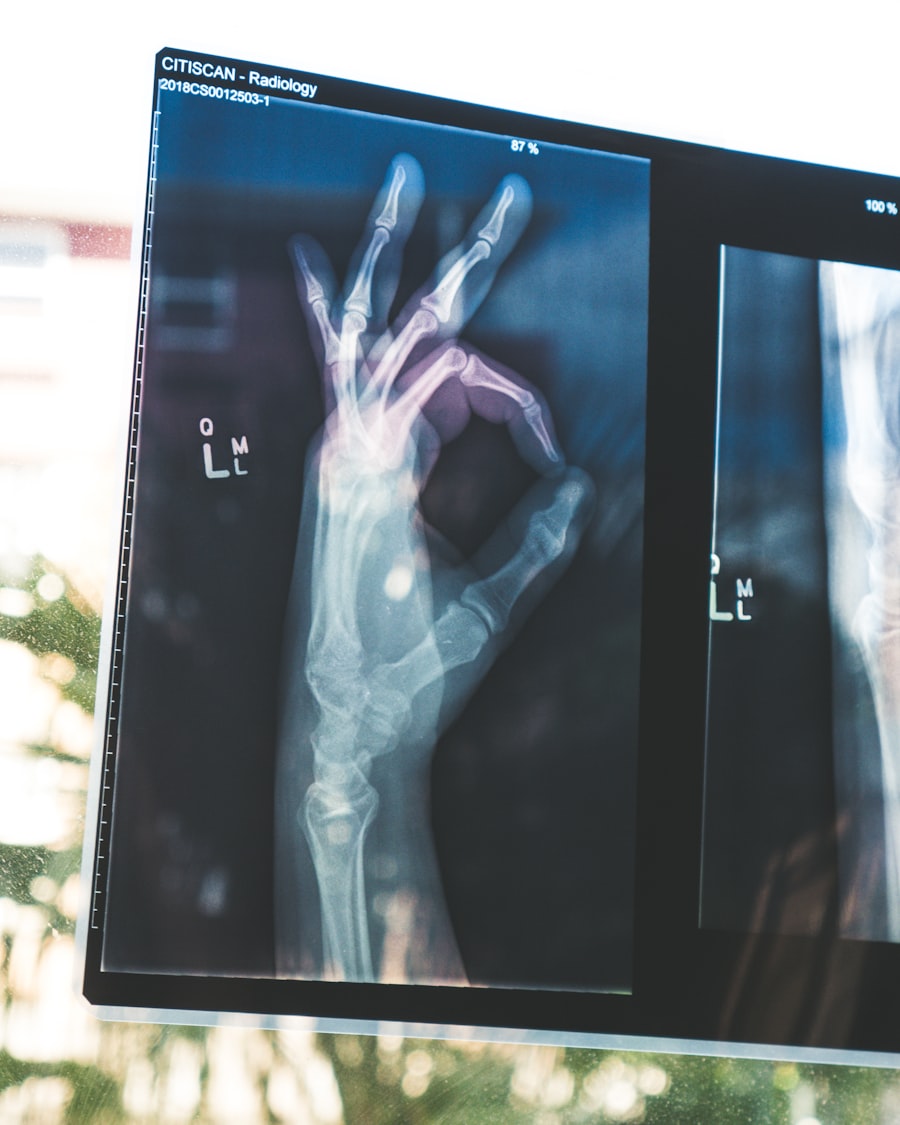
Among the most technically impressive — and clinically impactful — applications of AI in medicine is diagnostic imaging. Modern AI algorithms can analyze X-rays, MRIs, CT scans, and pathology slides with a level of accuracy that, in some specific and well-defined tasks, equals or exceeds human performance. The platform Aidoc, widely used in radiology departments, continuously scans incoming imaging studies and uses deep learning models to identify potential abnormalities — hemorrhages, pulmonary embolisms, aortic dissections — and automatically elevates those cases to the top of the radiologist's worklist. In a specialty where delays of even minutes can be catastrophic, the ability to triage the most urgent cases algorithmically represents a genuine clinical advance.
In pathology, platforms like PathAI are being deployed to assist pathologists in analyzing tissue samples, improving diagnostic precision in cancer detection and grading. The potential to catch malignancies earlier — at stages when treatment is more likely to be curative — has significant public health implications. Early detection of diseases like lung cancer, breast cancer, and colorectal cancer dramatically improves survival rates, and AI-powered screening tools are already demonstrating the ability to catch subtle findings that human eyes might miss, particularly in high-volume environments where pathologists and radiologists are processing thousands of studies per week.
Beyond imaging, AI is beginning to reshape clinical decision support more broadly. Rather than the blunt, interruptive pop-up alerts that physicians have learned to ignore — the "alert fatigue" problem that has plagued electronic health record systems for years — newer AI-powered decision support tools are designed to integrate contextual recommendations seamlessly into the clinical workflow. These systems consider the full complexity of a patient's clinical picture — their history, current medications, recent lab values, vital signs, and the evolving evidence base — and surface relevant guidance at the precise moment a physician is making a decision, without demanding attention they cannot spare.
The Documentation Revolution: Giving Physicians Back Their Time
If diagnostic AI represents the most dramatic clinical application of the technology, documentation AI may prove to be its most pervasive and immediately life-changing manifestation for practicing physicians. The administrative burden imposed on modern clinicians by electronic health record systems, billing requirements, and compliance documentation has been widely identified as the primary driver of physician burnout — a crisis that has left hospitals short-staffed, driven experienced doctors out of practice, and contributed to declining patient access in underserved communities. AI-powered documentation tools offer the prospect of fundamentally reversing this dynamic.
Advanced natural language processing systems can now listen to a patient-physician conversation in real time and automatically generate a comprehensive, structured clinical note — incorporating the chief complaint, history of present illness, review of systems, physical examination findings, assessment, and plan — without any manual data entry by the physician. These systems are trained to understand medical terminology, clinical reasoning patterns, and the contextual nuances that distinguish a routine encounter from a complex one. For a primary care physician seeing 25 or 30 patients in a single day, the difference between spending 10 minutes per patient on documentation versus having it generated automatically translates into hours of recovered time — time that can be redirected toward patients, continuing education, or simply the recovery of a personal life outside the clinic.
"I don't want a world where a robot tells me I have cancer. I want a world where a machine helps my doctor find it early enough to do something about it."
— Reflecting a widely shared patient sentiment on AI's proper role in medicineThe Concerns: Skill Erosion, Privacy, and the Risk of Overreliance
Enthusiasm for AI in medicine is genuine and data-backed — but so are the concerns. The AMA survey found that while physician confidence in AI is growing, a substantial cohort of doctors harbor meaningful reservations. Chief among them is the question of skill erosion. When asked about the risk of over-reliance on AI, 88 percent of surveyed physicians expressed some level of concern — with 70 percent specifically worried about the impact on medical students and residents who may never develop certain diagnostic and clinical skills independently because AI performs them routinely. Early-career physicians were particularly candid: 35 percent expressed personal concern about their own skill development being compromised by AI tools they have come to rely on before fully developing the underlying clinical judgment those tools are meant to augment.
Data privacy remains another major open question. AI diagnostic and documentation tools ingest enormous quantities of sensitive patient information — medical histories, imaging studies, clinical notes, genetic data — raising profound questions about data ownership, security, and the potential for misuse by insurers or other third parties. The industry is actively exploring "federated learning" architectures, in which AI models train on patterns derived from patient data without the data itself ever leaving the security of the hospital's servers — a technical approach that preserves privacy while still enabling the model to improve. But as one analysis put it: "Who owns your lung sound recording? Can an insurance company see that your AI scan flagged a potential risk?" These are not yet solved problems, and their resolution will require not just technical innovation but regulatory clarity that the healthcare system has been slow to provide.
The ECRI Institute, in its 2026 assessment of top patient safety threats, identified AI-fueled misdiagnoses as one of the leading concerns — a reminder that the tools which can catch what human eyes miss can also, under the wrong conditions, confidently assert a wrong answer. The FDA's evolving regulatory framework for AI-based medical devices is attempting to keep pace, but the speed of commercial deployment has consistently outrun the machinery of oversight.
📊 Research Summarization
The most common AI use case among physicians — helping doctors instantly synthesize new studies and updated clinical guidelines across their specialty.
📝 Clinical Documentation
AI-generated notes, discharge instructions, and billing codes are reducing hours of administrative work per day, combating the burnout epidemic.
🔬 Diagnostic Imaging
Platforms like Aidoc and PathAI are detecting cancers, bleeds, and abnormalities with machine precision — often faster and sometimes more accurately than unaided human review.
⚠️ Skill & Privacy Concerns
88% of physicians worry about over-reliance eroding clinical skills. Data privacy, misdiagnosis risk, and regulatory gaps remain unresolved challenges.
The American Medical Association has launched a dedicated Center for Digital Health and AI to guide the profession's relationship with these technologies, advocating for AI that is "safe, effective, and used responsibly," and insisting that physicians must be central to shaping how it is integrated into practice — not passive recipients of tools designed by technologists with limited clinical experience. "For doctors to trust and use these tools, they must be safe, effective, and used responsibly so they truly improve patient care," said AMA CEO John Whyte. "The AMA will continue leading this work so physicians help shape how AI is integrated into medicine."
What is clear, as the data accumulates and the technology matures, is that the question facing medicine is no longer whether AI will become a central feature of clinical practice — that transformation is already underway. The question is whether the medical profession, its regulatory bodies, and society as a whole can shape the integration of this technology in ways that preserve what is irreplaceable in the doctor-patient relationship while harnessing what AI genuinely does better: processing vast quantities of data, maintaining tireless vigilance, and holding in working memory the entire edifice of biomedical knowledge at once. The best version of AI in medicine is not a replacement for the physician's empathy, judgment, and humanity. It is, as one analyst put it, a GPS for the road trip of a clinical career — the technology that keeps you from getting lost, while you still decide where to go.




0 Comments